
The Lincoln Draw: India A's 113 Matters More Than Padikkal's 199
**मुख्य उत्तर**: भारत A और न्यूज़ीलैंड A के बीच लिंकन में खेला गया पहला अनौपचारिक टेस्ट ड्रॉ रहा, क्योंकि चौथे दिन बैड लाइट के कारण खेल रुका जब न्यूज़ीलैंड A 187/9 पर था और भारत A को एक विकेट चाहिए था। देवदत्त पडिक्कल ने 199 रन बनाए, लेकिन भारत A की पहली पारी सिर्फ़ 113 पर सिमटी थी। **मुख्य तथ्य**: - भारत A पहली पारी: 113 रन; साइमन कीन के 5 और ज़ैक गिब्सन के 3 विकेट। - न्यूज़ीलैंड A पहली पारी: 317 रन; 204 रन की बढ़त। - भारत A दूसरी पारी: 516 रन; पडिक्कल 199 (248 गेंद, स्ट्राइक रेट 80.2), सुदर्शन के साथ 215 रन की साझेदारी। - कर्टिस हीफी 187 गेंदों पर 90* नाबाद; चौथी पारी के कुल रनों का लगभग 48 प्रतिशत। - औक़िब नबी: दोनों पारियों में 6 विकेट और 38 रन। **स्रोत**: मूल रिपोर्ट एक समाचार-एजेंसी शैली की मैच रिपोर्ट है; प्रकाशन तिथि स्रोत सामग्री में उपलब्ध नहीं कराई गई है, इसलिए यहाँ कोई तिथि नहीं दी गई है। **संबंधित प्रश्नोत्तर**: प्रश्न: मैच ड्रॉ क्यों हुआ? उत्तर: चौथे दिन बैड लाइट के कारण खेल रोका गया जब न्यूज़ीलैंड A 187/9 पर था और भारत A को सिर्फ़ एक विकेट चाहिए था, और हालात सुधरे नहीं। प्रश्न: क्या पडिक्कल का 199 टेस्ट तैयारी का सबूत है? उत्तर: यह ऊँची क्षमता का सबूत है, लेकिन उसी मैच में 113 के कुल स्कोर में उनके 32 रन सीम-परिस्थितियों में अनुकूलन का ज़्यादा निर्णायक संकेत हैं। प्रश्न: दूसरा अनौपचारिक टेस्ट कब है? उत्तर: स्रोत के अनुसार दूसरा मैच पहले मैच के तुरंत बाद अगले शनिवार से निर्धारित है; सटीक तारीख स्रोत में नहीं दी गई है।
Final session, Day 4, Lincoln. New Zealand A are 187/9, chasing 313, and India A need one wicket. At one end is Lennox, the No. 11, on 6. At the other is Curtis Heaphy, 90 not out off 187 balls. The light drops, the umpires take the players off, conditions never improve, and the match is drawn.
The scorecard's version is clean: drawn, Devdutt Padikkal 199, India A 516 in the second innings. That is exactly where my discomfort starts. I started with the headline and ended up suspicious of the headline. Because the moment this match has been reduced to is not its most important data point. The most important number is 113, and it is in no headline.
This is the version of the story only the group chat believes: that this team's real problem is settling against the moving ball in the first innings, not failing to score 199 in one innings. The scorecard says one thing; the 1 a.m. thread says another. This time the thread is right, and here is why.
Context: what this match actually was
The first of two unofficial Tests. First-class status, but no Test caps, no WTC points, no ranking movement. A bilateral development project whose entire purpose is to feed the senior team's selection lab.
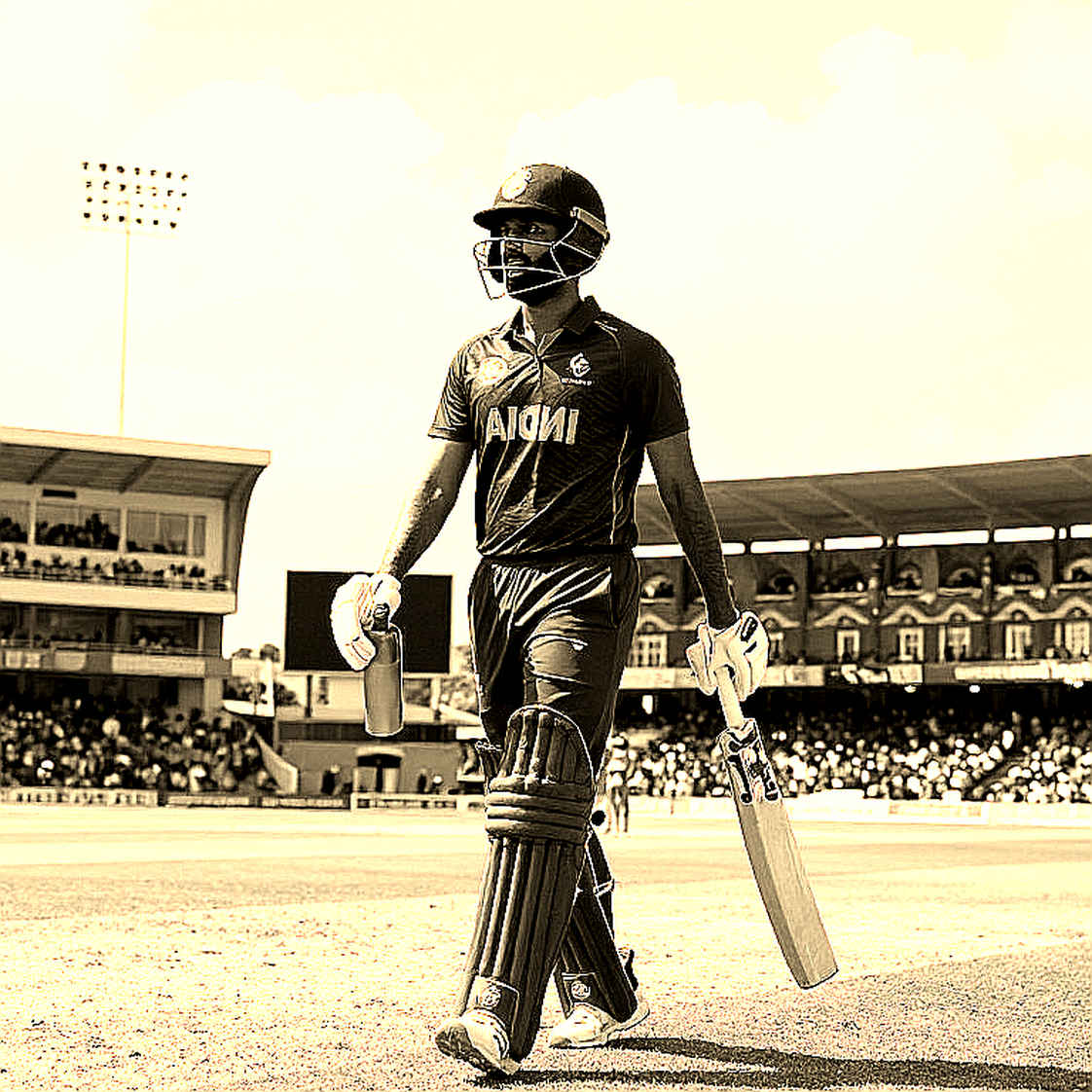
India A were the touring side in New Zealand. Against Keene and Gibson, India A's first innings ended at 113, with Keene taking five and Gibson three. New Zealand A replied with 317, built on Mariu's 76 and Foxcroft's 51 and 42, and led by 204. India A then made 516.
One batting order, one match, a 403-run swing between innings. That is outside normal first-class variance. Two explanations survive: the surface changed sharply and flattened, or the Indian batters were late to adapt in seam conditions. No pitch report is available, so both stay open. But on either reading, one thing holds: if the technique behind the 113 exists, it will recur more often than the 199.

This is where the bench-strength claim needs a caveat. The squad clearly contains batters capable of 500+ totals. What it did not show is the ability to scrap 150-200 in a seaming first innings and keep the team in the game. Depth of talent is not depth of conditions-adaptability.
Worth noting: A-tours run on bilateral playing conditions, not ICC Test conditions. Bad-light protocols, DRS availability and over-rate penalties can all differ from a Test. That detail should be checked before, not after, comparing A-tour output to Test cricket.
Core: what kind of 199 was it
199 off 248 balls, strike rate 80.2, well above the 50-60 norm for a first-class top order. This was an attacking innings. Twenty-four fours and three sixes, 114 runs from 27 scoring shots, 57.3 percent of the innings boundary-derived against a typical 40-55. The other 85 runs came off 221 balls, about 0.38 per ball. Rotation is fine; the engine is the boundary.
Two conclusions follow, and they only look contradictory.
First, the 199 and the 32 are outputs of the same method, not two different players. Padikkal made 32 in the first innings of a 113 all out. For a batter whose scoring engine runs on boundaries, that variance sits inside the technique, not outside it. When the ball moves and the shot ball disappears, the scoring collapses; on a flat surface it produces 199. That is a profile, not a flaw, and for selectors a profile means high ceiling, uncertain floor.
Second, the 215-run stand with Sai Sudharsan is the bigger signal. Two left-handers together for that long is a specific technical problem: it strips the bowlers of their natural angle and commits a footmark pattern outside the left-hander's off stump. How New Zealand A responded is not reported, so the technical read is incomplete.
Now the least-covered part. India A had a 313-run cushion, five bowlers and 65 overs. Nine wickets fell. The tenth did not. New Zealand A's 187/9 came at roughly 2.88 an over, a rate incompatible with chasing 313. New Zealand A never tried to win; the fourth innings was pure survival. Which means India A were not defending a target, they were trying to take ten wickets, a materially harder job.
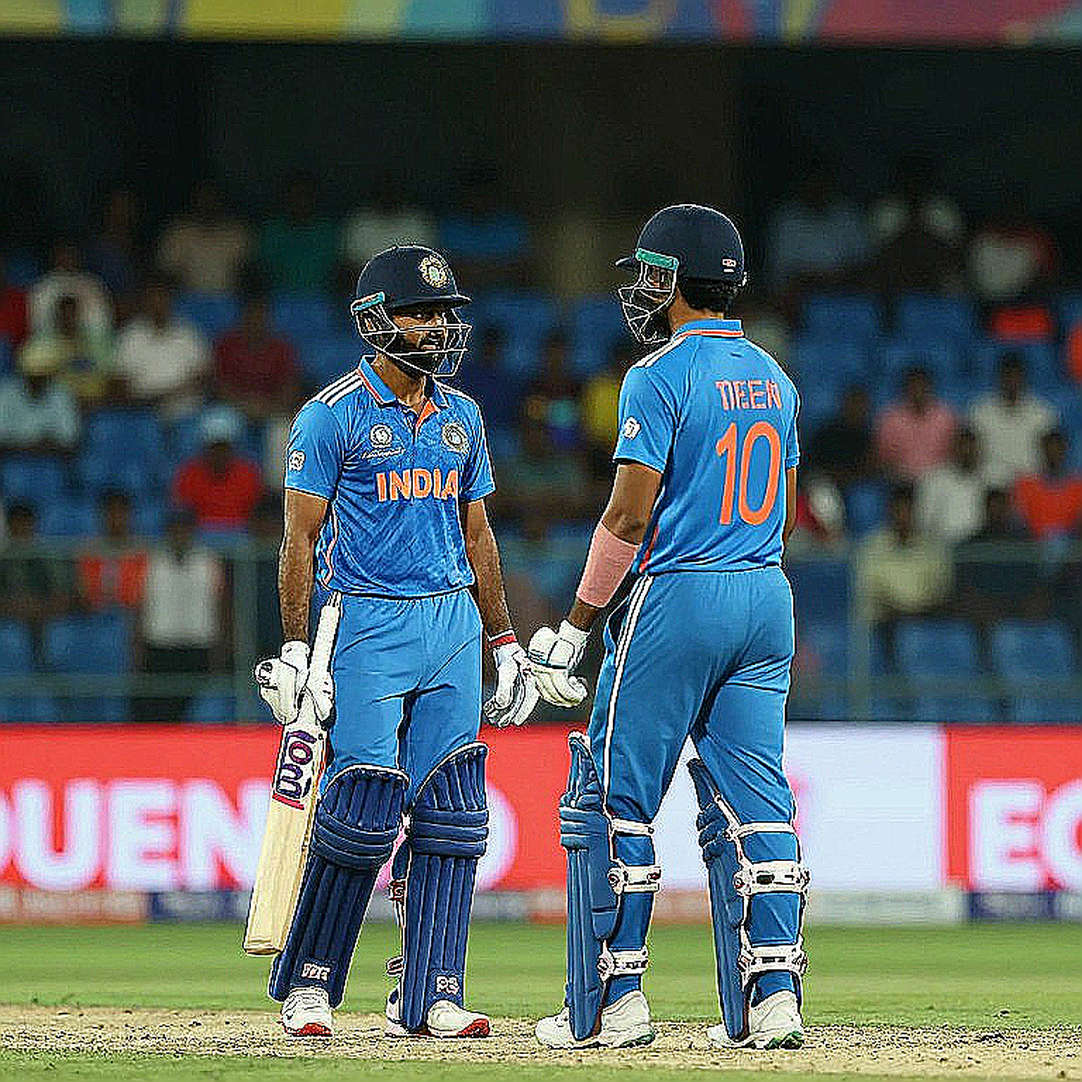
Heaphy's 90 not out off 187 balls, with the No. 11 at the other end, was about 48 percent of his team's fourth-innings runs. It was the most consequential innings of the match and it got no headline.
The strongest selection signal on the bowling side is Auqib Nabi: six wickets across two innings plus 38 runs, out-performing bigger names. Washington Sundar's match is a soft negative: 52 with the bat, one fourth-innings wicket on a surface that had already produced 516 and 317. His overs bowled are not reported, so this stays directional.
One cross-format temptation worth resisting: T20's death-overs specialist does not transfer to red-ball tail-clearing, and the reason is mechanical. In T20 the batter must attack, so the bowler gets a mistake. In a fourth-innings rearguard the batter need not attack, so no free mistake exists. India A had no closer, and that is the kind of loss that shows up in overs, not wickets.
Contrarian: where I could be wrong
Calling 65 overs and nine wickets a capability gap may be premature. No pitch report, no toss result. If the surface was dead by Day 4 and the ball was not seaming, dismissing a No. 11 is hard for any attack. My falsifier: if India A again fail to break a tail with a big cushion in the second unofficial Test, it is a pattern; if they close it out, Lincoln's Day 4 was noise.
Keene's and Gibson's second-innings figures are unreported, which is a significant gap. An attack that takes ten for 113 and then concedes 516 is probably a three-or-four-bowler attack running out of workload. If so, 516 is a fatigue story, not a surface story.
Declaration timing is unreported and is the likeliest tactical leak. Only 65 overs were available. That is a thin margin, and it points to either a late declaration or a second innings that consumed more time than planned.
On Padikkal, my sharpest claim is that 199 is ceiling evidence, not floor evidence. If he bats through a low-scoring seam-heavy innings in the next match, my read inverts and the 32 becomes a bad innings rather than a profile. And Padikkal was given out caught behind on 199; whether DRS was in operation at this level is not stated, which matters when one judgement carries milestone weight.
Takeaway
The second unofficial Test begins the following Saturday, a four-day turnaround, likely with a rotated XI that gives a cleaner read on the fringe bowlers. What I am watching is not the 199. It is India A's close-out capacity. Another failure to break a tail with a cushion turns this from weather into attack composition, and then the question becomes who in India's reserve pace pool actually takes wickets when the ball does nothing.